
david ambrosio’s civil disobedience at Joe’s pub, nyc, jun 11 - album release party
photography by ©Clara Pereira / text by Filipe Freitas
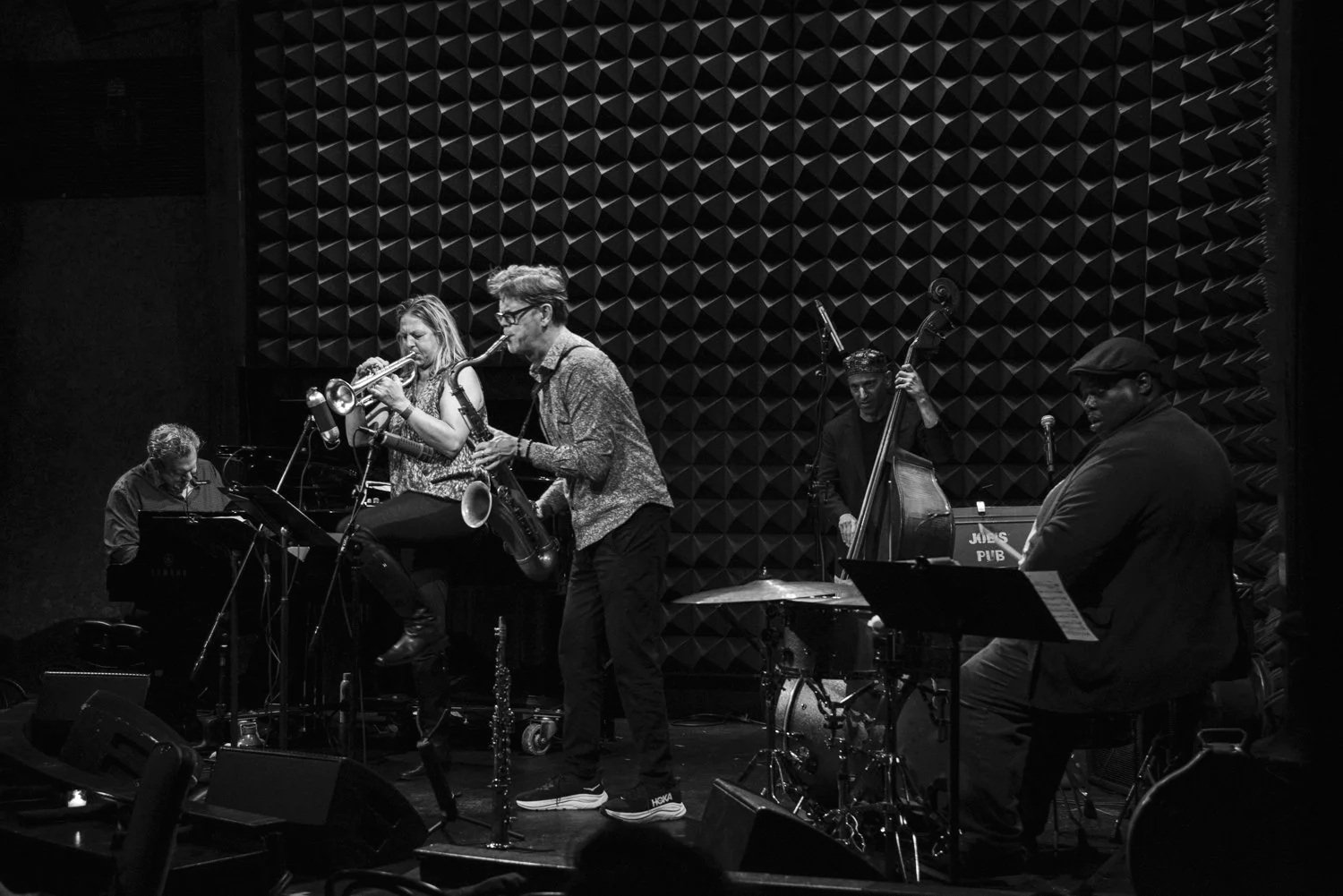
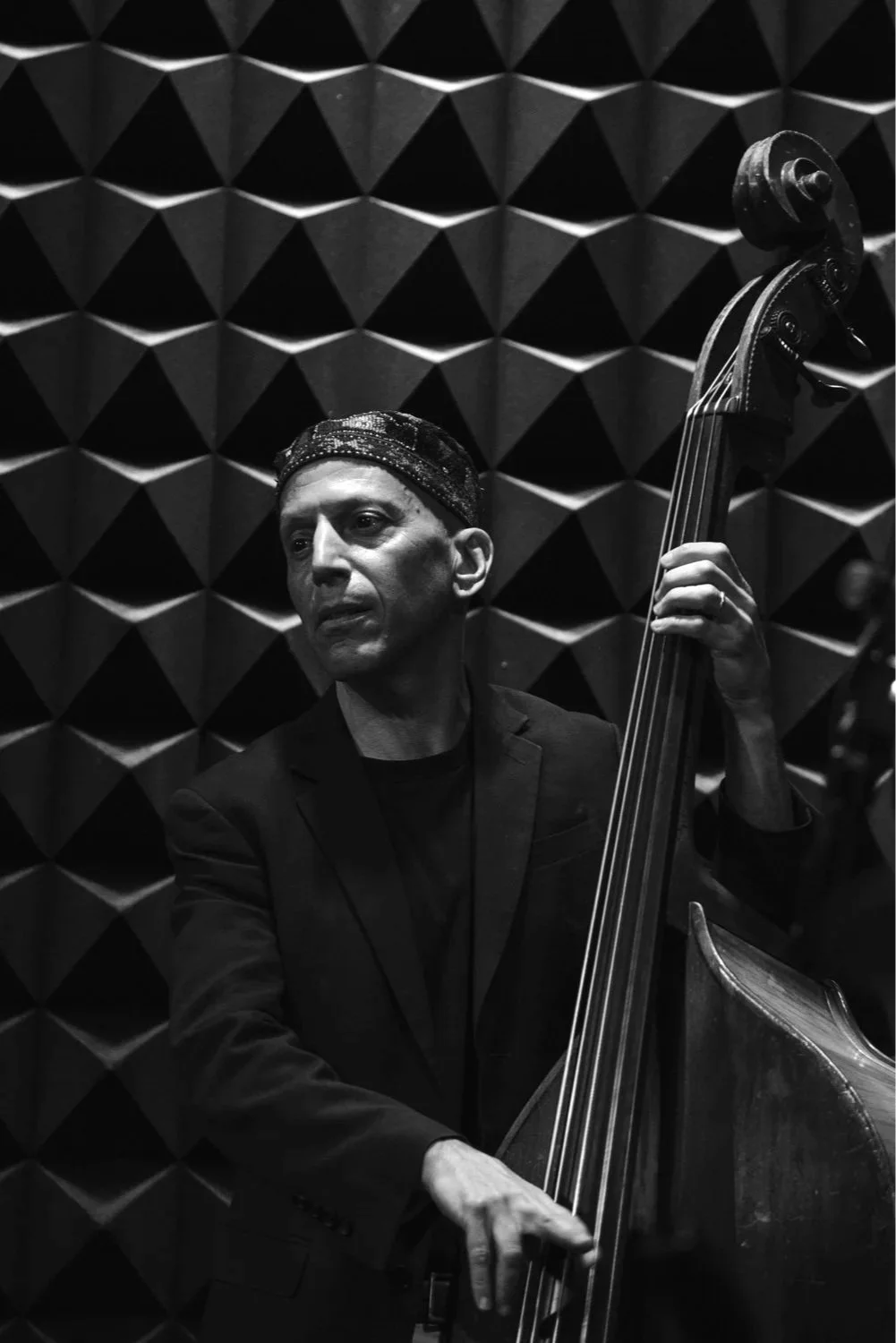
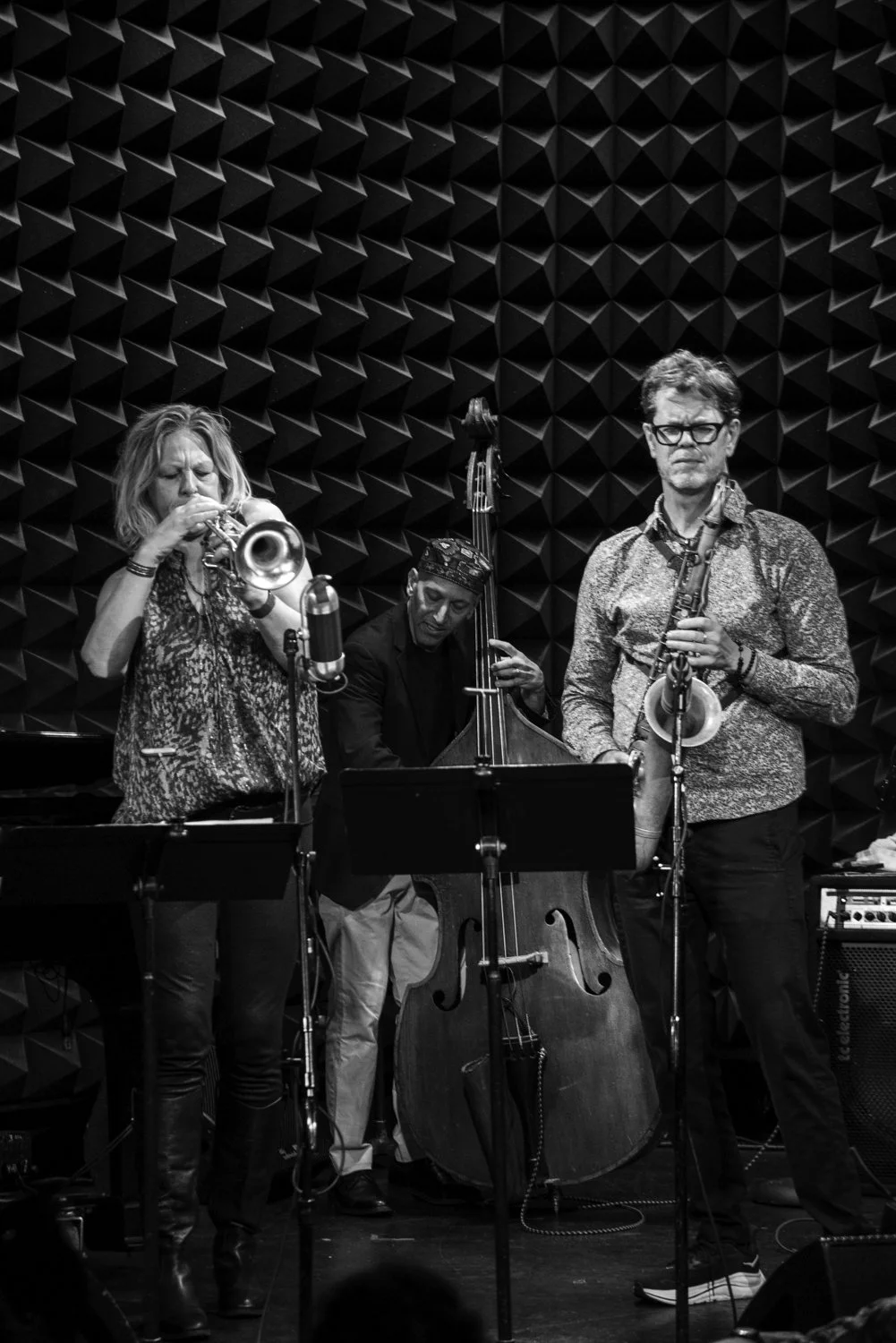
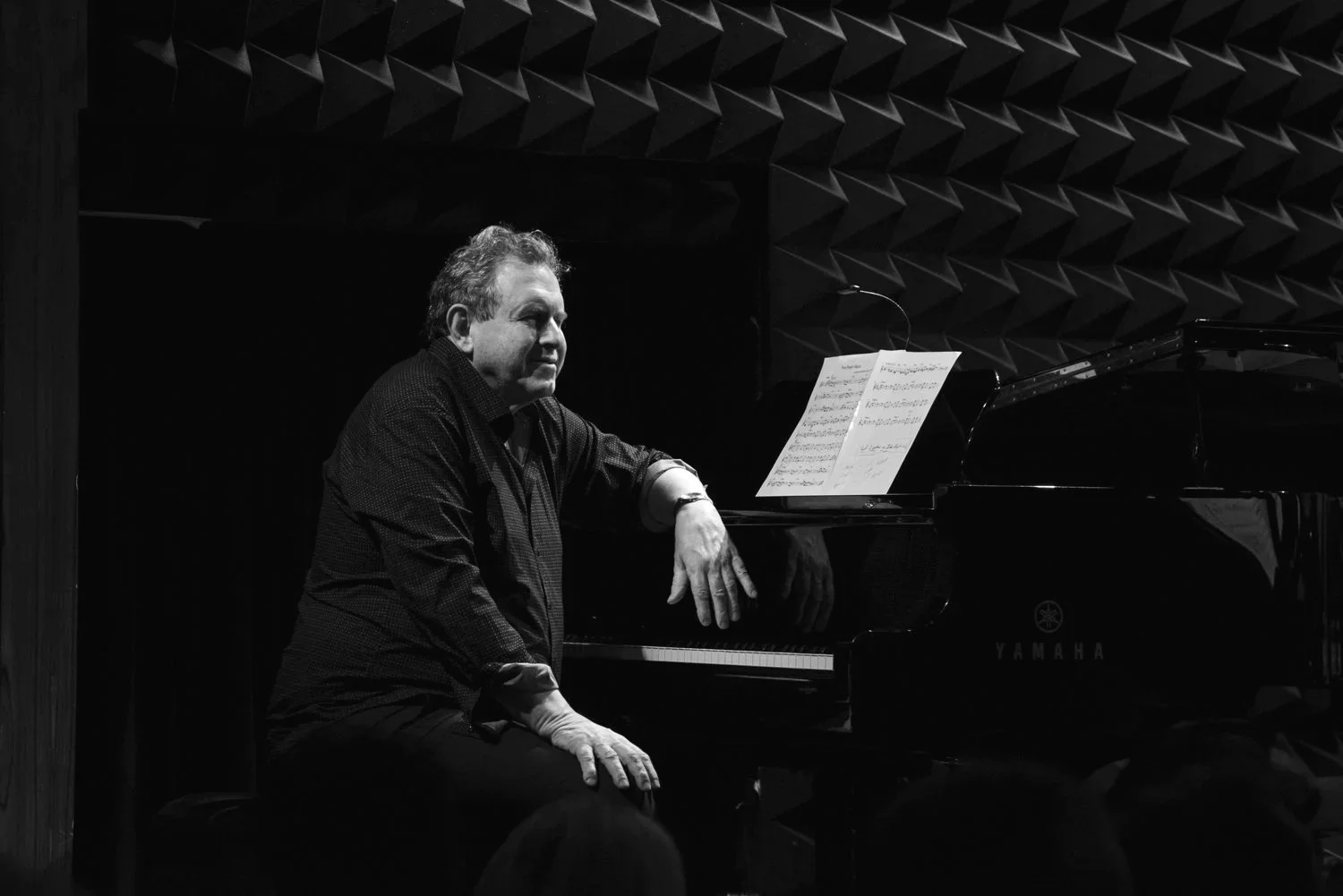
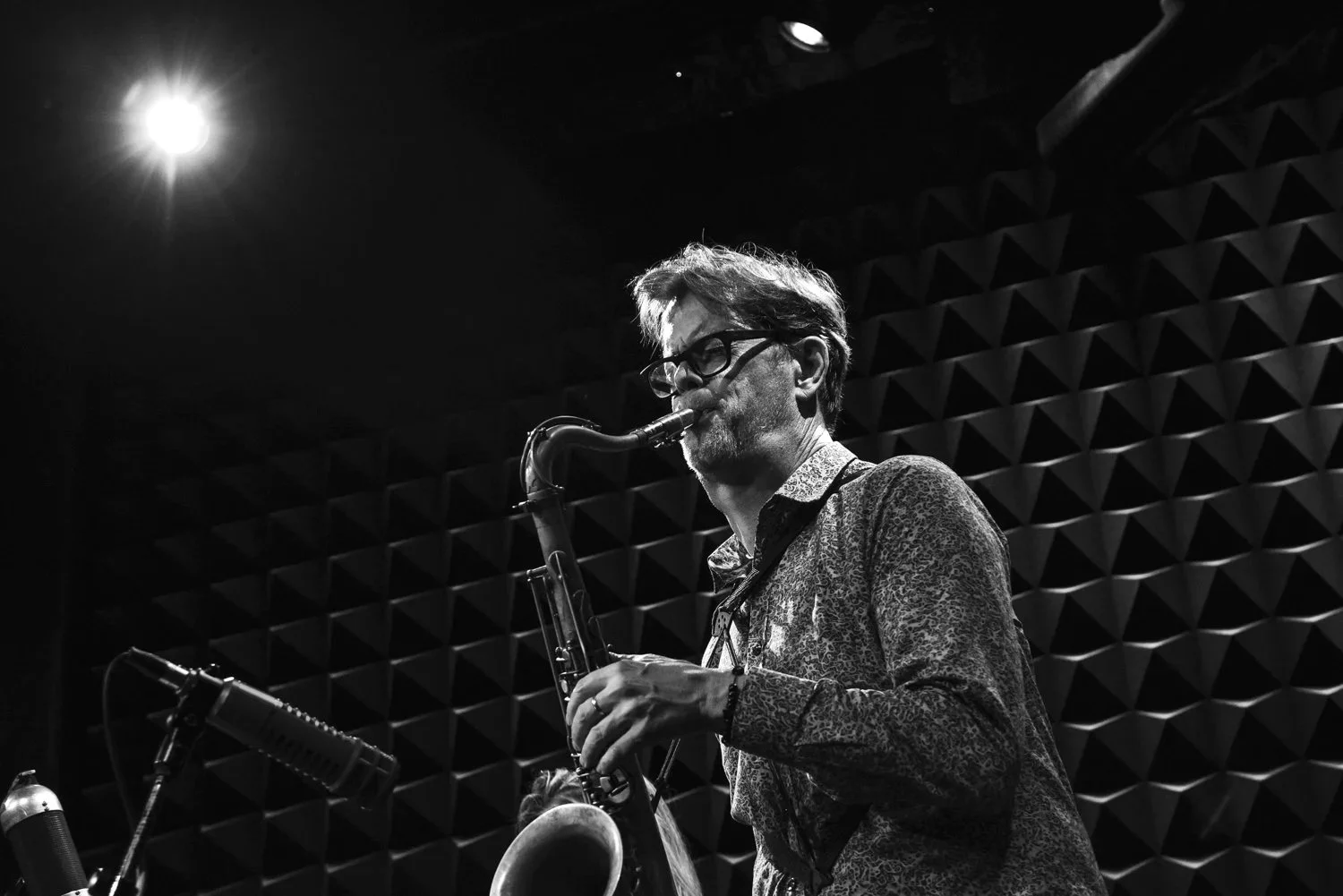
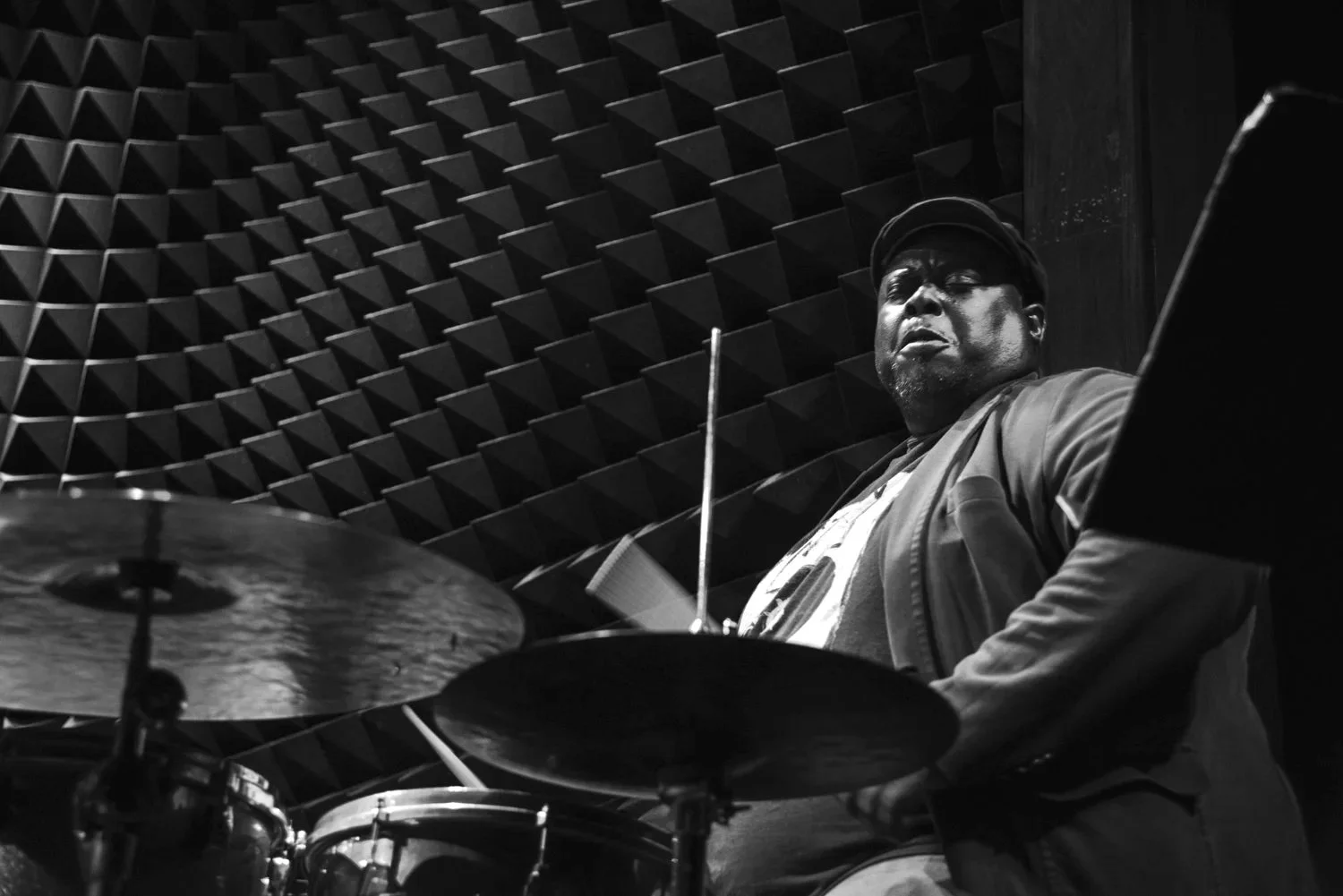
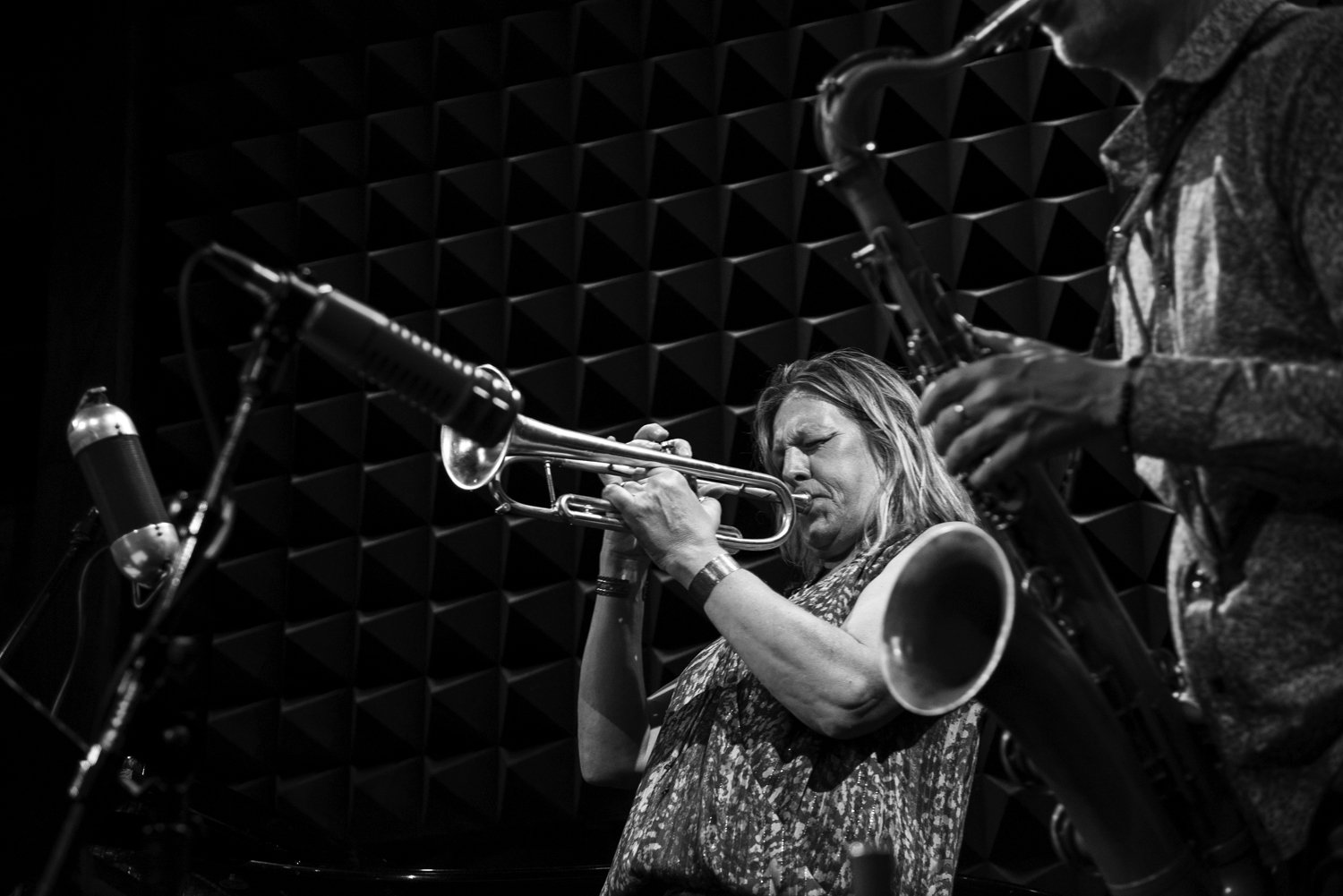
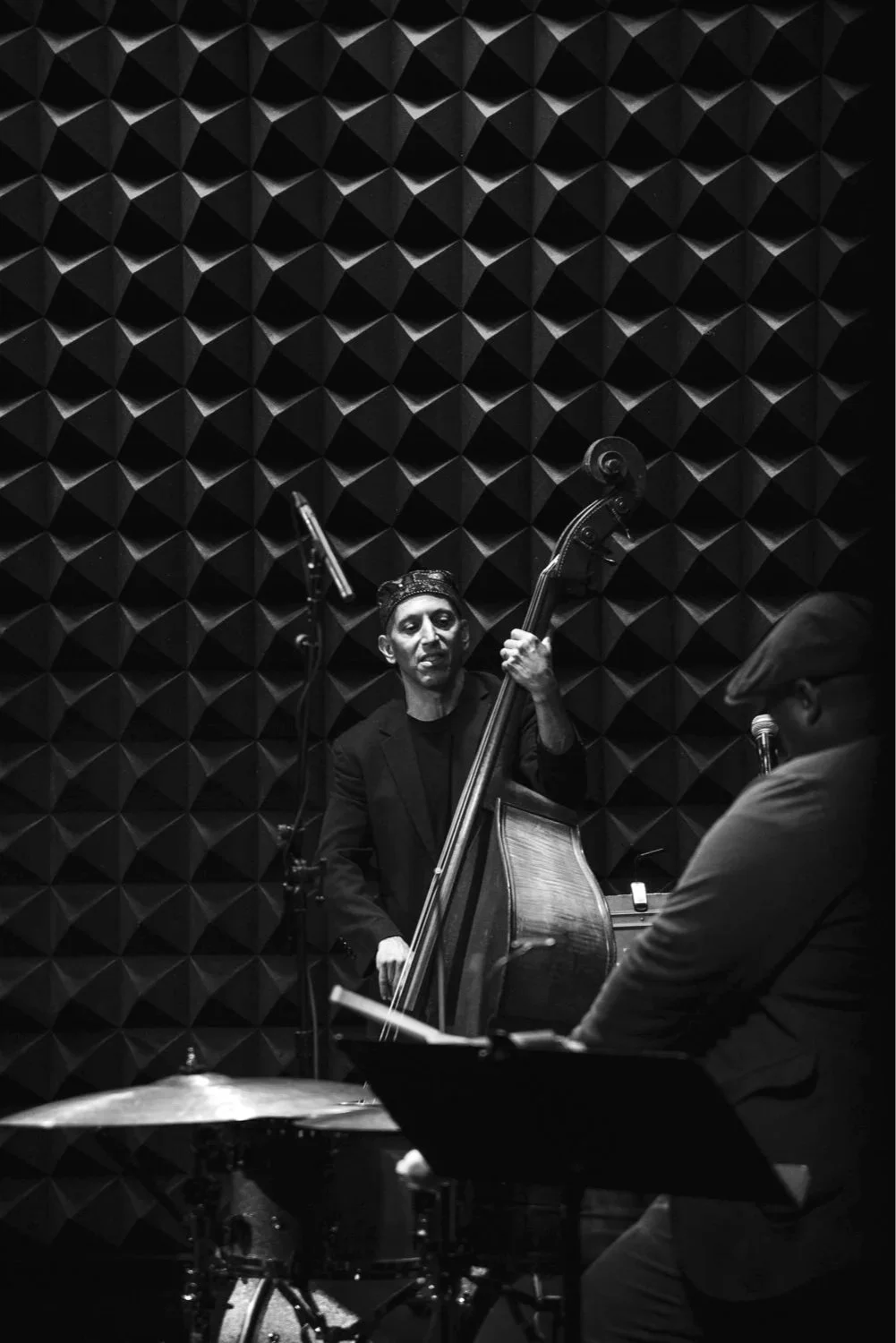
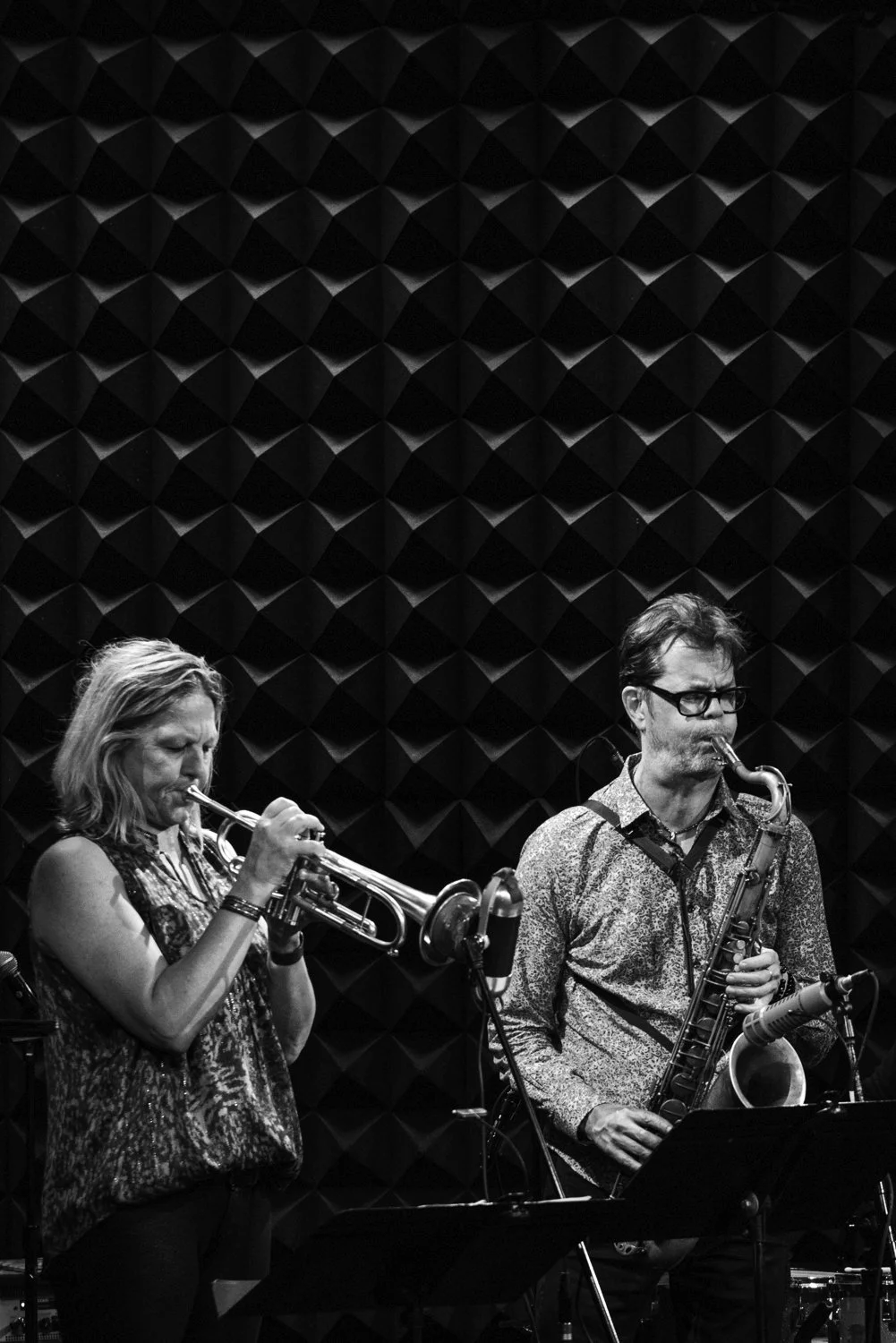
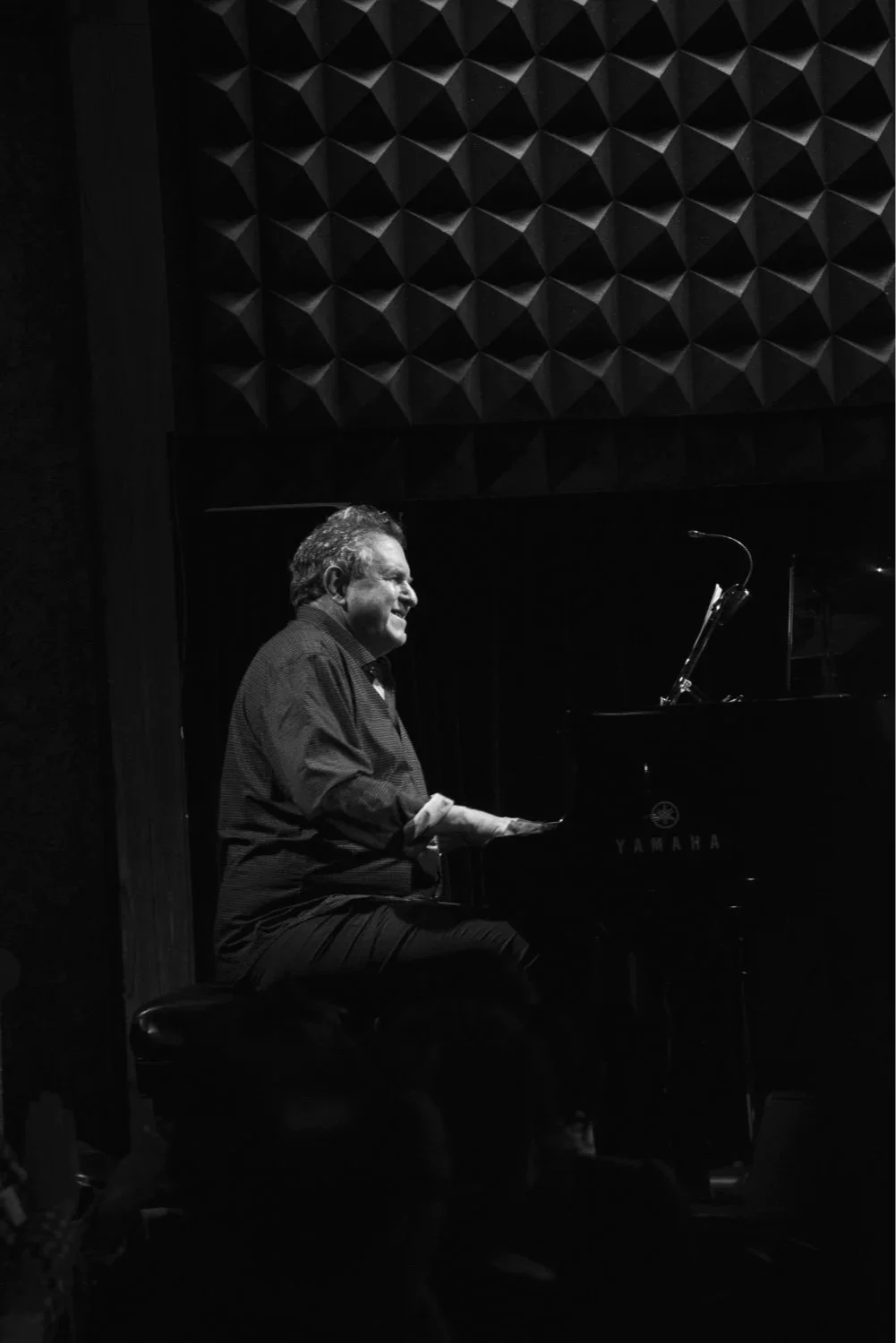
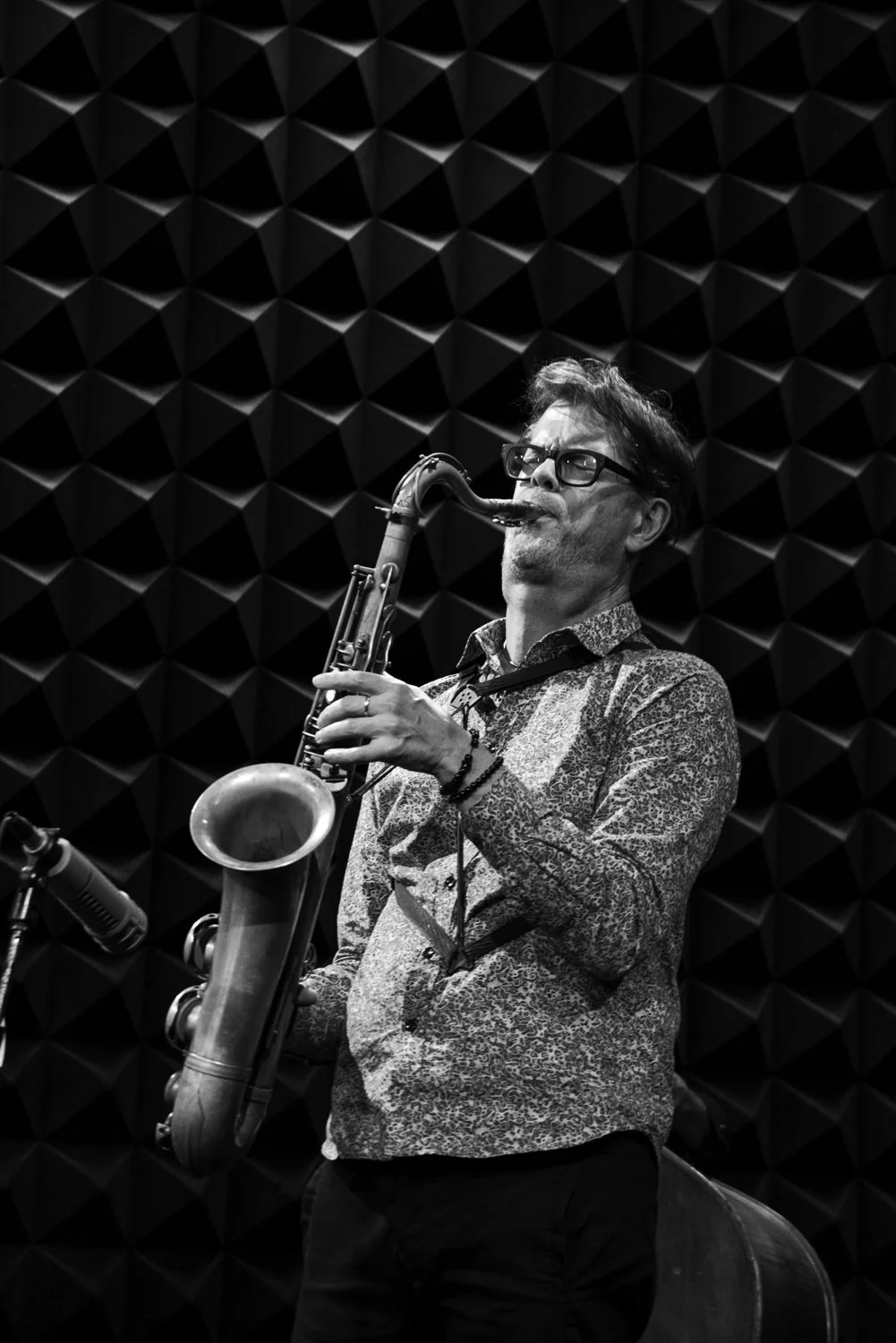
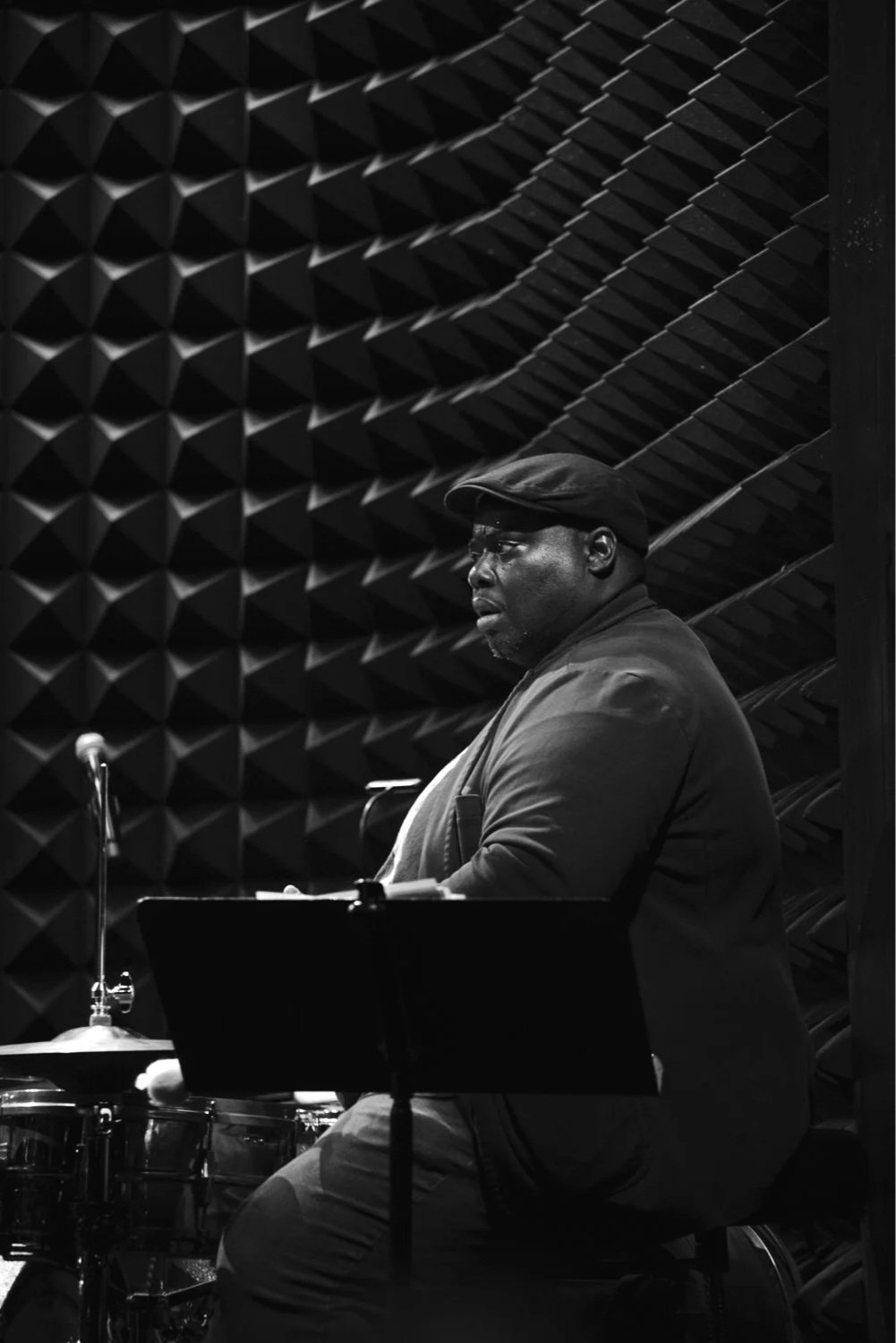
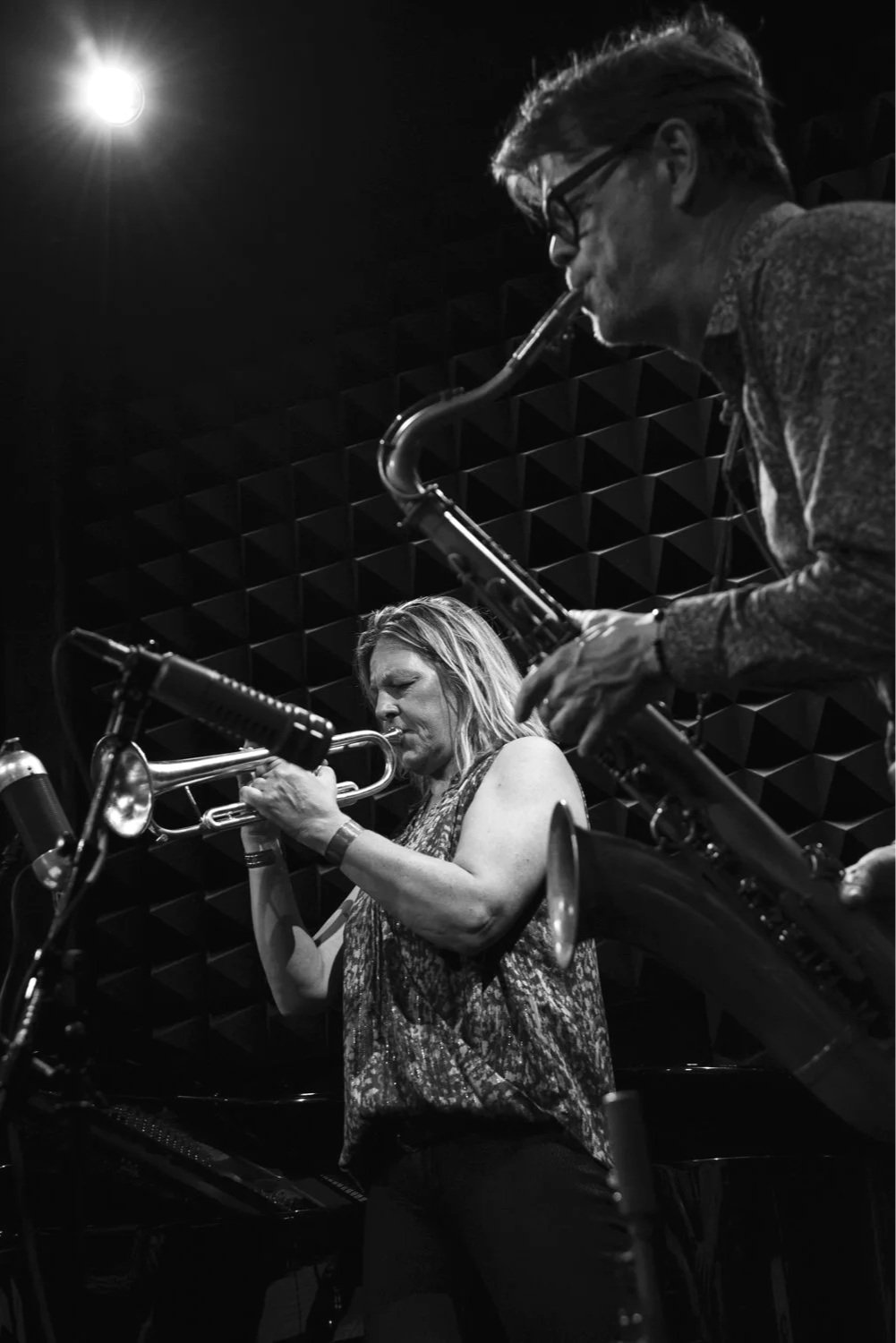
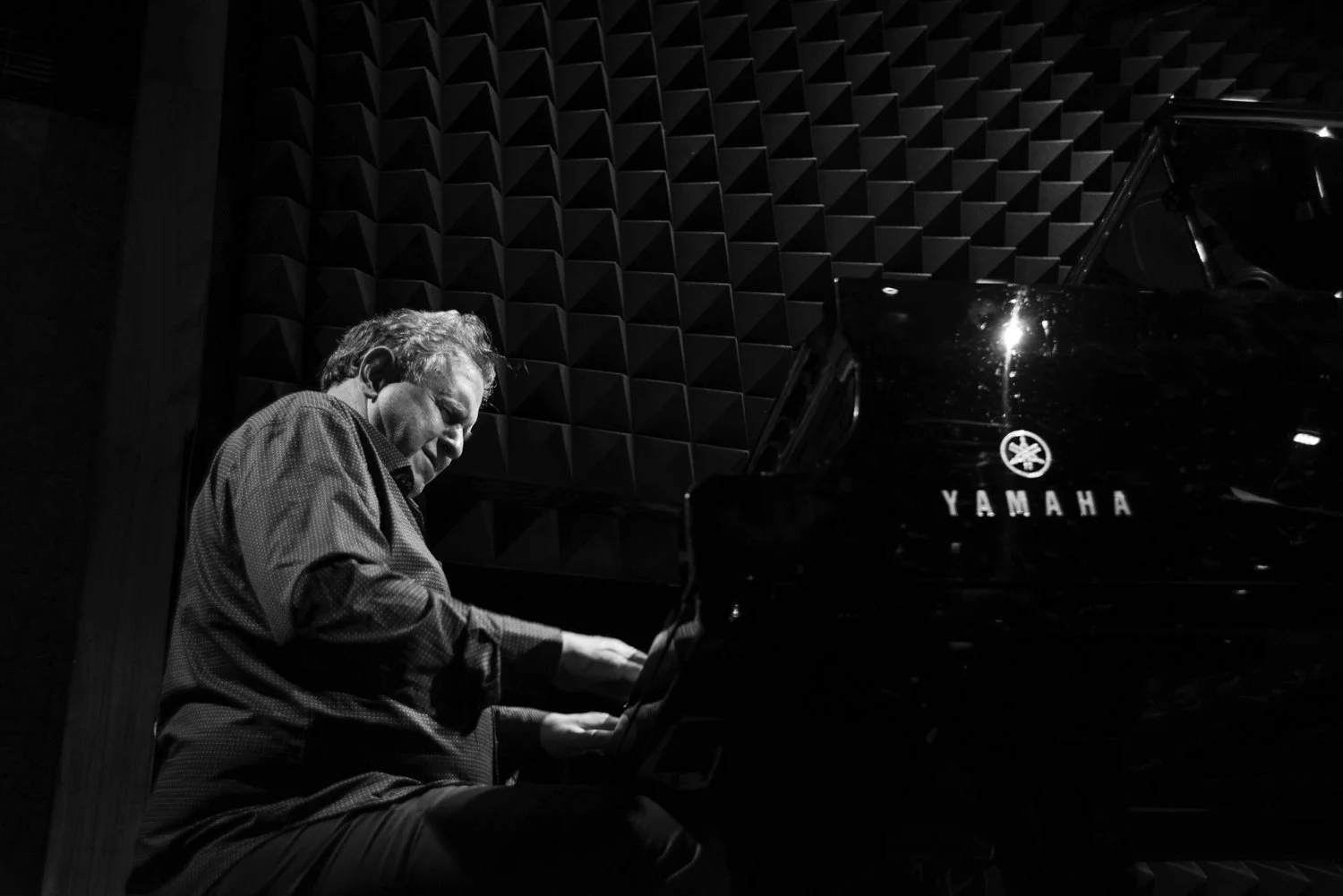
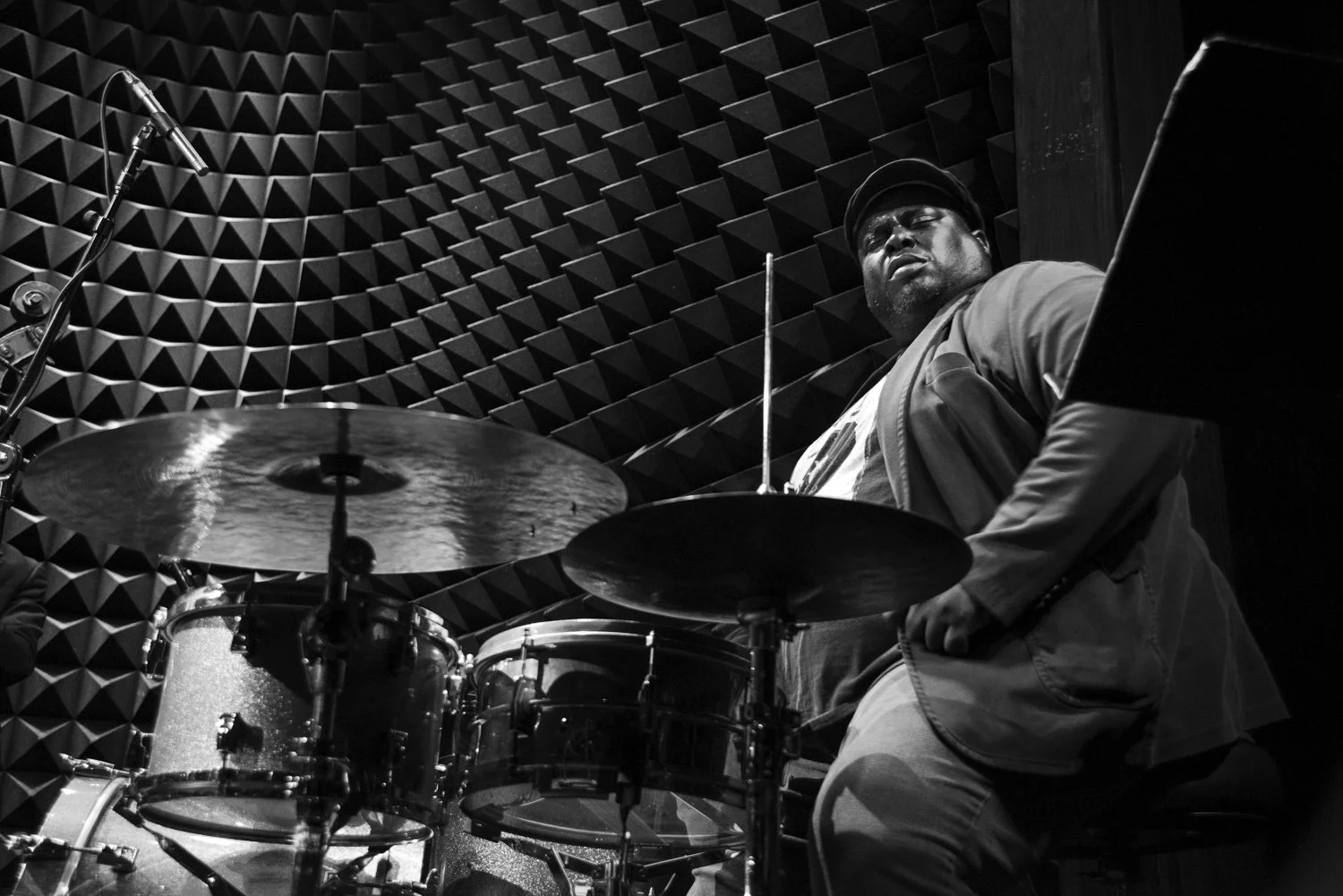
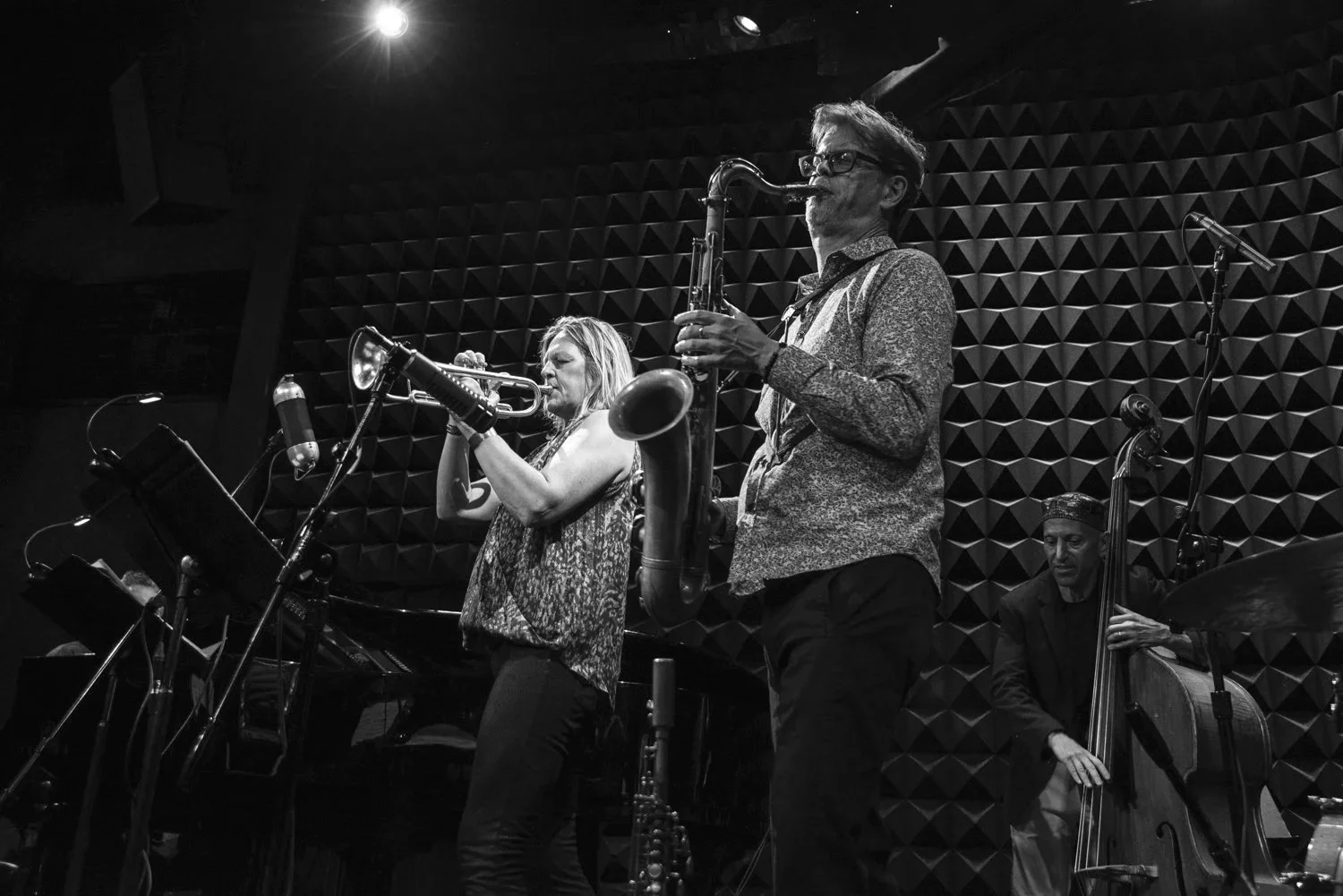
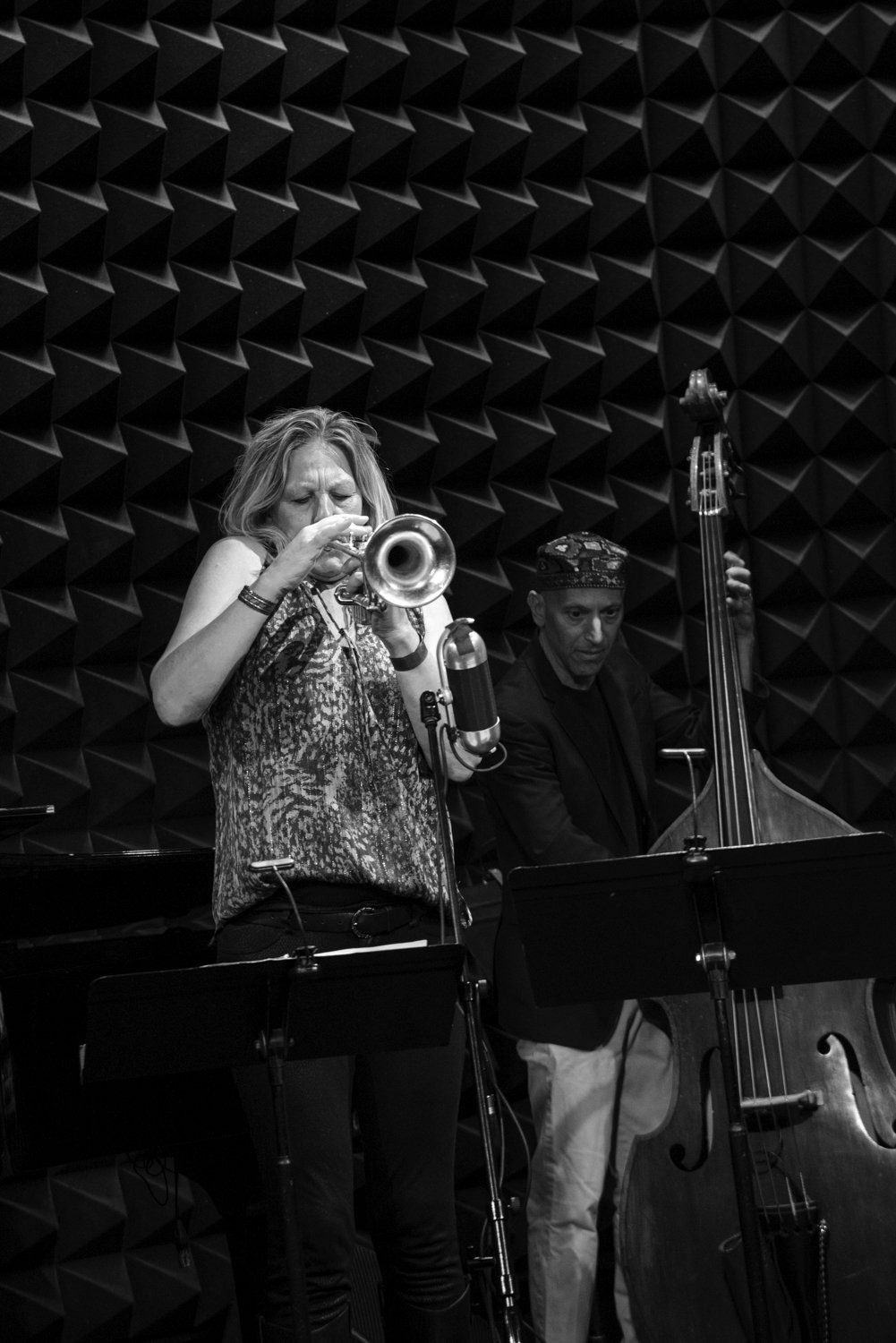
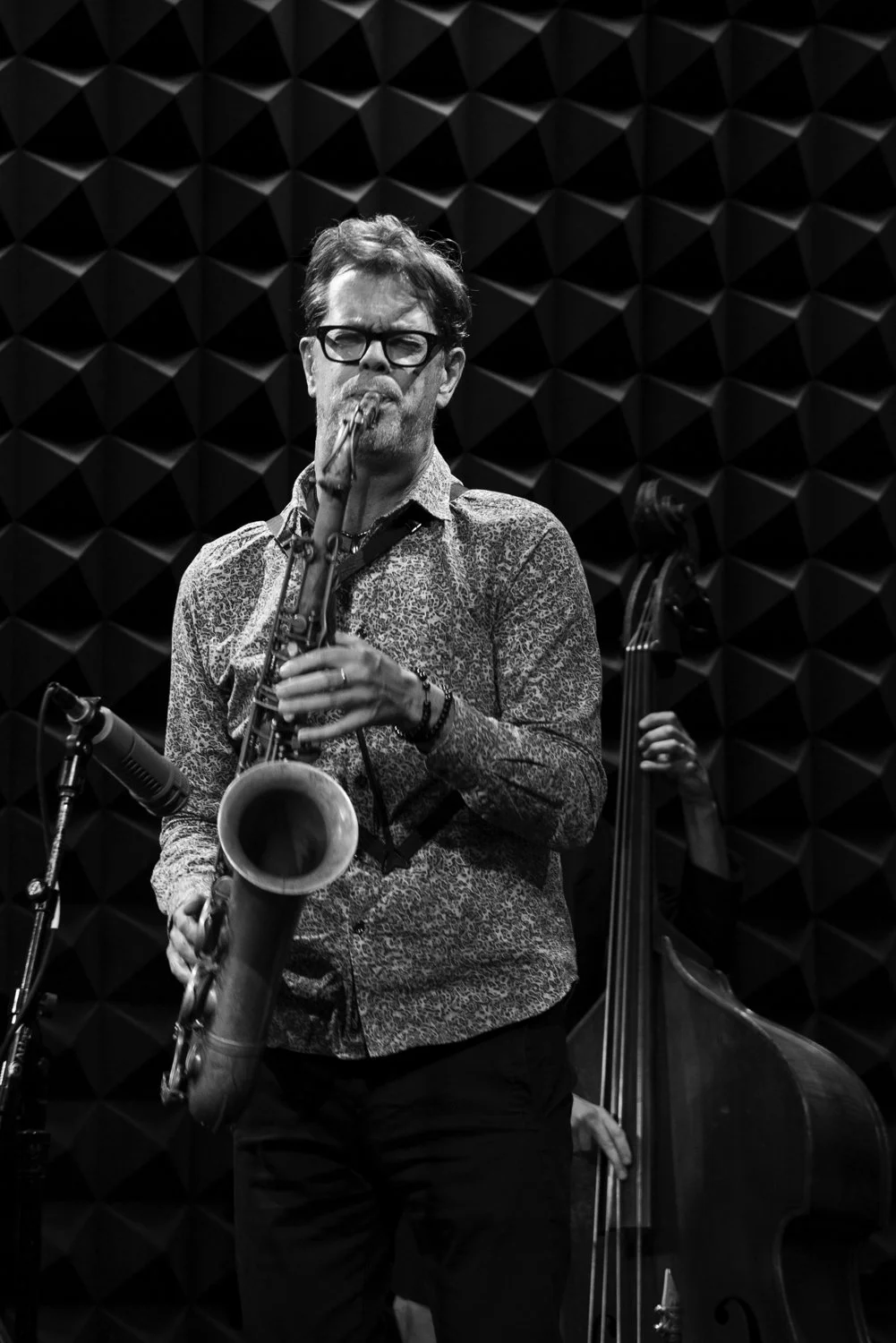
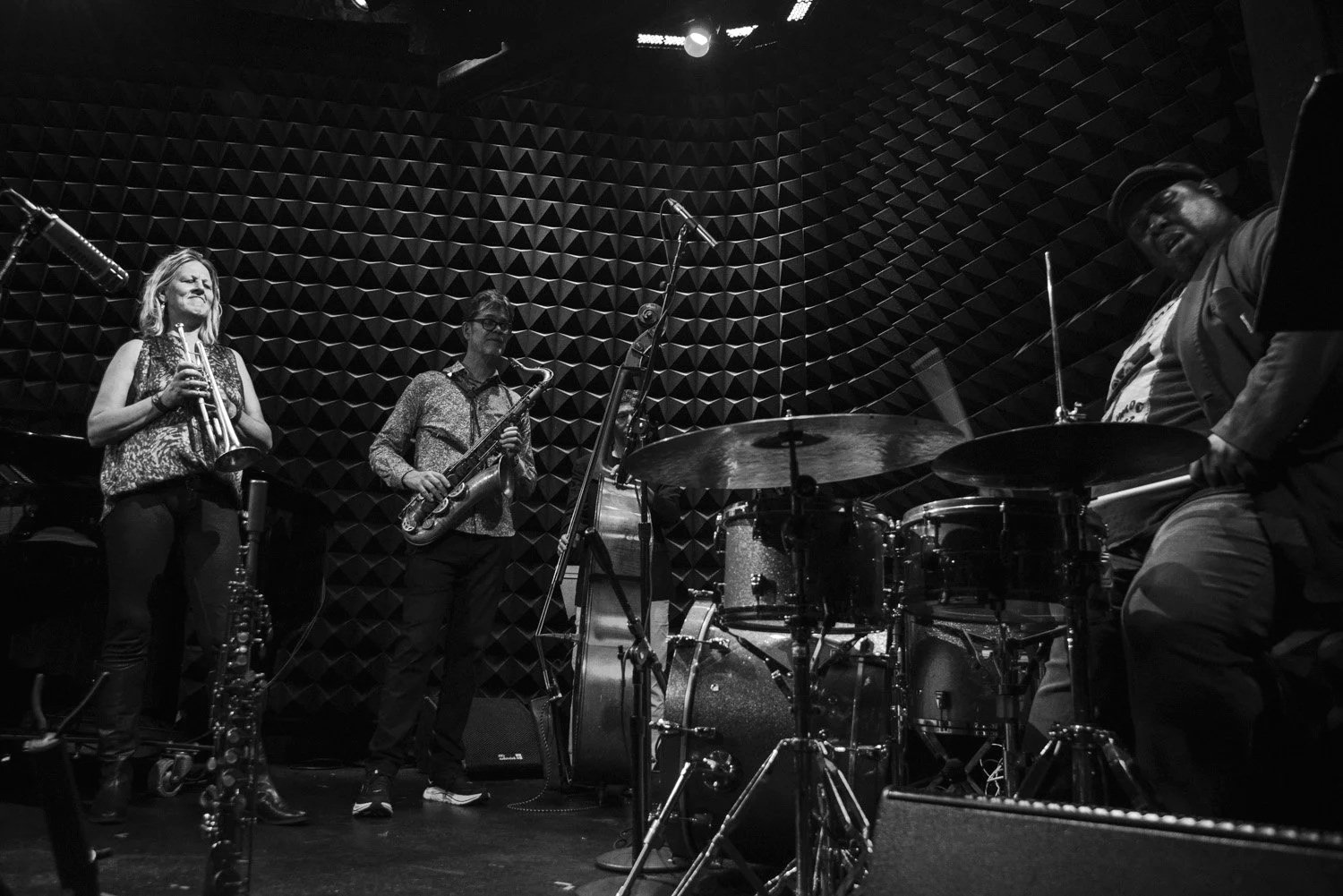
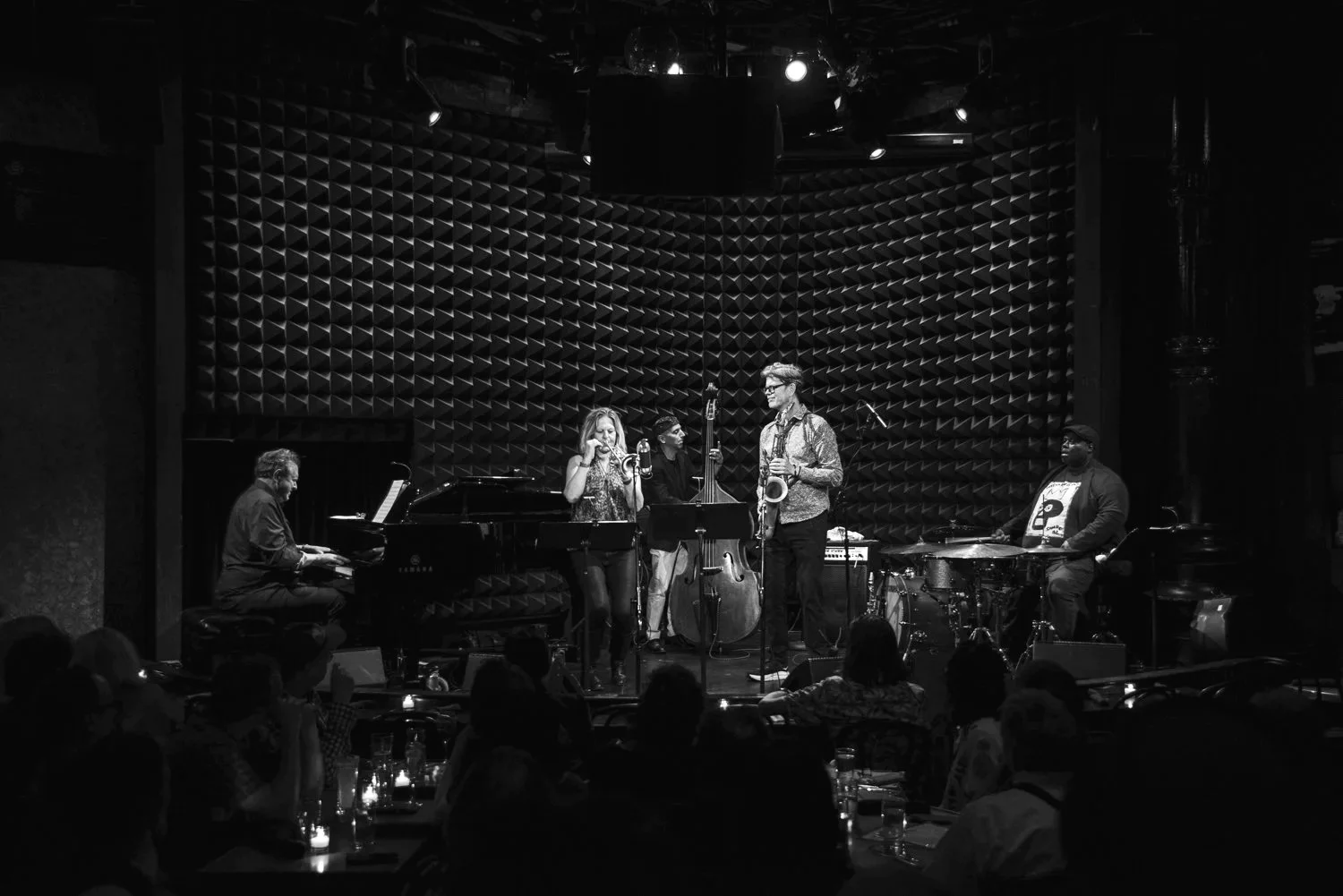
Bassist, composer, and activist David Ambrosio made his debut at Joe's Pub on Thursday, June 11, celebrating the release of his project Civil Disobedience. The super-cohesive quintet featured an out-of-this-world frontline, with saxophonist Donny McCaslin and trumpeter Ingrid Jensen excelling on every entrance and improvisation, alongside an unbreakable rhythm section comprised of veteran pianist Bruce Barth, Ambrosio himself, and the ever in-demand drummer Johnathan Blake, who stepped in for Victor Lewis. The project revives lesser-known post-bop compositions from the 1960s Blue Note era, written in the context of the Civil Rights Movement. Many of these works remained unheard for decades before eventually finding their audience.
With confidence and positive spirit, the band opened with Bobby Hutcherson’s “For Duke P.”, a wonderful tribute to pianist Duke Pearson. The energy was immediately contagious. Jensen, who seemed to dance with her instrument, hit the sky with gracious expression, while McCaslin interspersed imaginative motifs and rapturous trills with characteristic authority. A frenetic crescendo emerged within the romping final vamp, following Barth’s measured improvisation and Ambrosio’s lucid bass articulation. Pearson’s sultry “Bedouin” followed, infused with a subtle air of mystery. Jensen’s muted trumpet traced the central riff introduced by Barth, who also reacted to McCaslin’s warm, powerful vibes. And then it’s Blake who elegantly threw a few rim shots in response to Jensens’s serene statement.
Harold Land’s “Poor People’s March” featured McCaslin on soprano saxophone and Barth making full use of the keyboard’s range, balancing controlled tension with expansive chordal sequences. Two compositions by Joe Chambers came next—a haunting ballad called “Mirrors” and “Irina”—the latter segueing seamlessly into James Spaulding’s “A Time to Go”. The group closed with Jackie McLean’s “Vernestune”, a ferociously swinging hard-bop vehicle that pushed Blake into the spotlight and provided a thrilling finale.
The hot, heavy, and humid night gradually became brighter and more breathable, energized by timeless compositions performed with conviction, a band endowed with special chemistry, a politically urgent message connecting past and present, and an atmosphere that made the music feel as relevant as ever.